English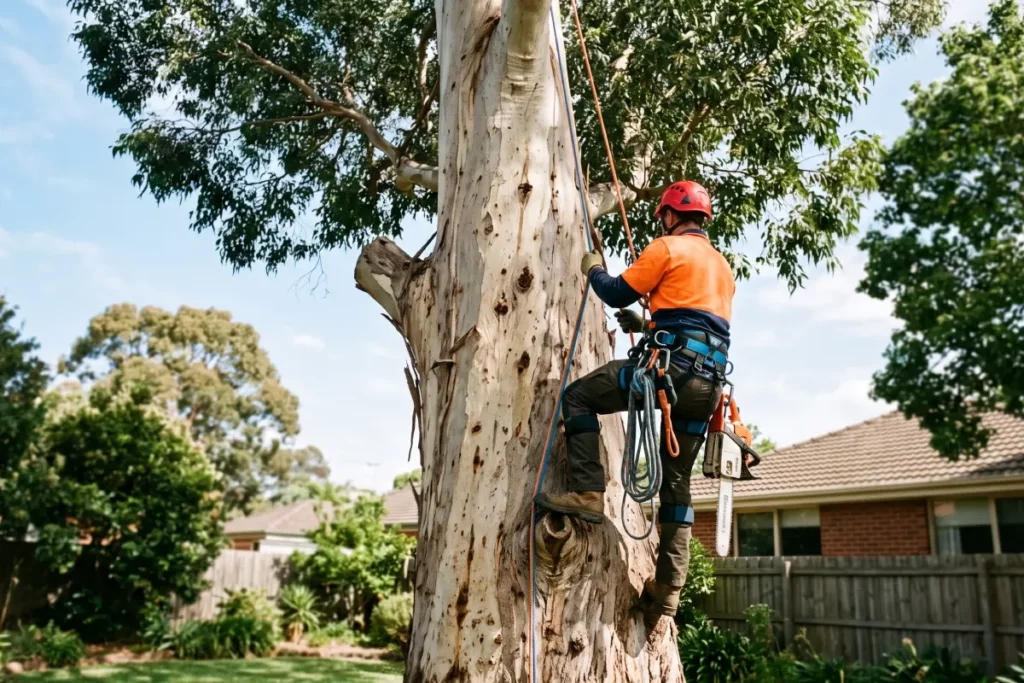































































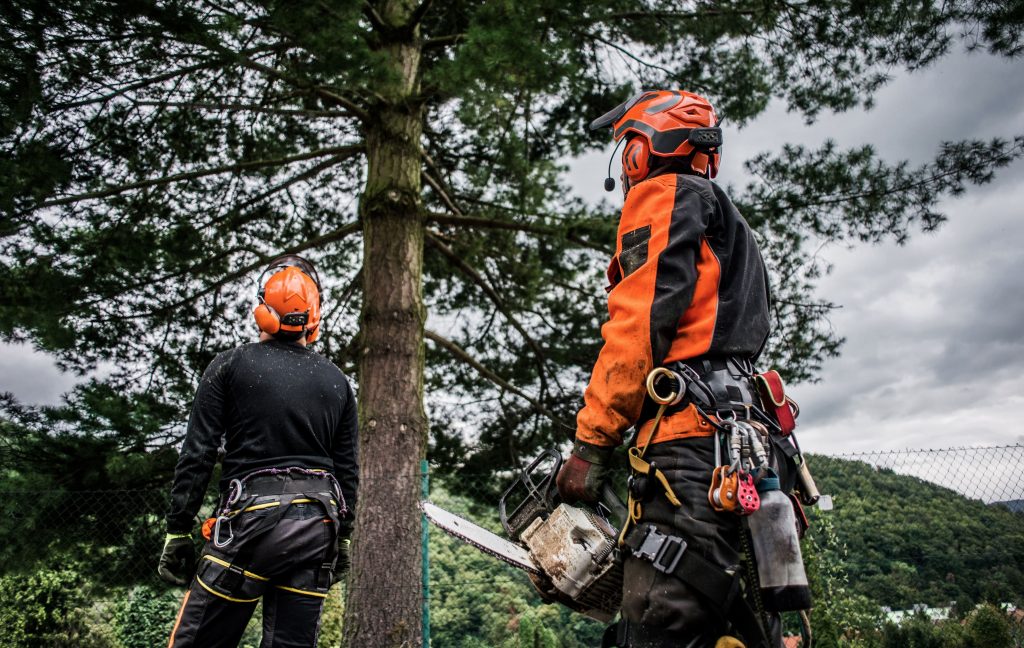





What Is an Arborist? Inside a Trade Workers Keep Leaving

TL;DR: An arborist is a qualified tree care specialist, requiring an AQF diploma or three-plus years of experience. Pay ranges from roughly $44,000 to $90,000 depending on experience. The trade also carries a fatality rate 28 times the national industry average, which is the main reason skilled workers keep leaving despite a chronic nationwide shortage.
Tree workers in Australia die on the job at a rate roughly 28 times higher than the average across all other industries. That single fact explains more about this trade than any job description ever could.
Arborists have sat on the federal government’s list of critical trade shortages for more than a decade. Pay has climbed to compensate, yet people still leave the trade faster than the industry can replace them. This article breaks down why both things are true at once.
What Does an Arborist Actually Do?
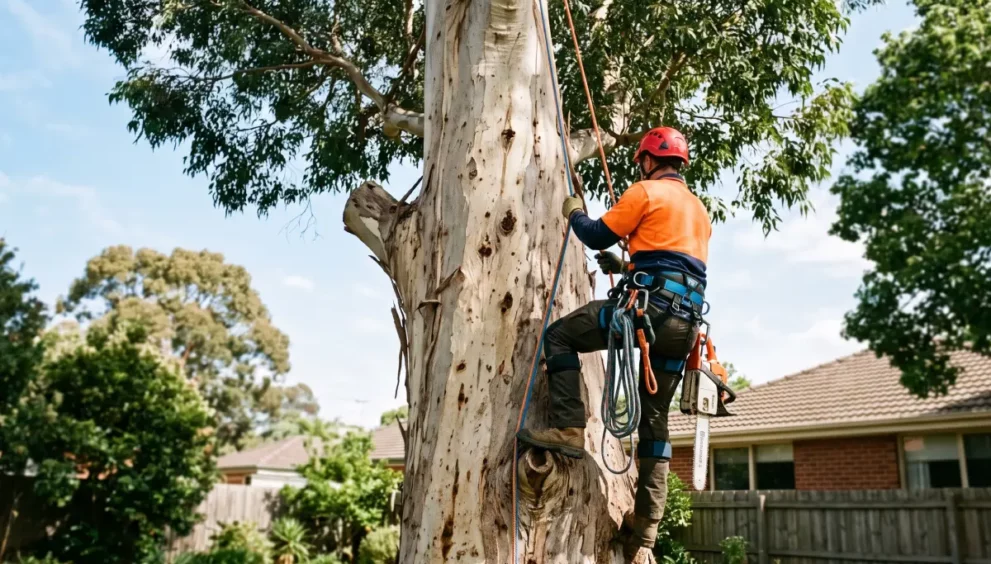
An arborist is a qualified tree care specialist trained to assess, prune, treat, and remove trees safely, most often in urban settings where a mistake can mean a branch through a roof or a downed power line.
The role sits under ANZSCO classification “Arboriculture Worker,” Skill Level 2, the same tier as diesel mechanics and civil plant operators. The standard pathway requires an AQF Associate Degree, Advanced Diploma, or Diploma in Arboriculture, or a minimum of three years of directly relevant experience.
What the job actually involves day to day
- Climbing, pruning, and structural risk assessment
- Felling and dismantling hazardous trees
- Operating chippers and elevated work platforms
- Writing arborist reports for councils, developers, and insurers
- Specialist consulting, pest and disease diagnosis, or utility line clearance
A “tree lopper” with a chainsaw and no formal training is not the same as a qualified arborist. That distinction drives real differences in safety outcomes, and in the insurance and liability position of anyone hiring for a job.
The terms get used interchangeably in casual conversation, though the practical difference between an arborist and a tree surgeon usually comes down to formal qualification and insurance coverage rather than the work itself.
How Much Does an Arborist Earn in Australia?
National averages place arborist pay anywhere between roughly $59,700 and $90,000 a year. Experience drives the gap far more than location does, and the spread itself reflects how fragmented pay structures are across councils, private contractors, and specialist consultants.

| Experience Level | Average Total Compensation (AUD/year) |
| Entry level (under 3 years) | $44,300 |
| Qualified (4-9 years) | $57,000 |
| Senior (10-20 years) | $67,000 |
| Veteran (20+ years) | $68,000 |
Source: Jobted Australia, based on job advertisements published over a 12-month period.
The steepest jump sits between entry-level and qualified, which roughly tracks with when most workers either commit to the trade long-term or leave it. Past the 10-year mark, pay plateaus even as the physical toll of climbing and rigging keeps compounding.
Why Is Arborist Work So Dangerous?
An academic review of arboriculture safety standards found Australian tree workers face a fatality rate of 42 per 100,000 workers, around 28 times the average industrial fatality rate across all other occupations.
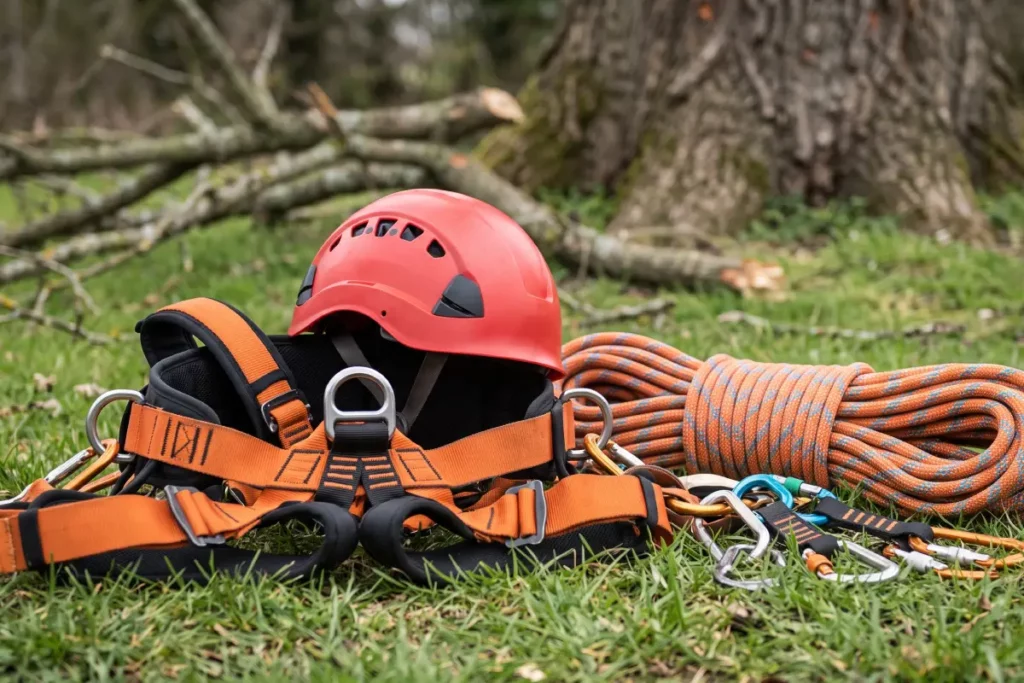
The main causes, in order of frequency
- Falls from height
- Being struck by falling limbs or the tree itself
- Chainsaw contact injuries
- Electrocution from contact with overhead powerlines
SafeWork NSW reported seven serious tree-work incidents since February 2024 alone, all involving falls or workers struck by falling material during routine pruning and removal jobs. Safe Work Australia’s own guidance on managing tree work risk exists specifically because the hazard profile is unusually high, even measured against other trades.
None of this makes the job unworkable. It makes training, supervision, and genuine safety culture on site the real difference between a long career and a short one.
Why Can’t the Industry Find Enough Workers?
Arboriculture Australia surveyed employers and found 91 percent could not find the staff they needed, with some regions reporting they’d need up to four times their current workforce to keep pace with council tree-planting targets.
The trade has sat on the national critical skills shortage list for well over a decade. Part of the problem is visibility: ask someone what a plumber does and they know instantly. Ask what an arborist does and most people guess “something with trees” at best.
The industry-run “Arborists Don’t Grow on Trees” campaign exists specifically to fix that awareness gap, since the trade offers above-average trade pay with no university degree required, yet still isn’t on most school leavers’ radar.
Why Do Trained Arborists Still Quit?
Shortage and turnover are two separate problems, and arboriculture has both. Recruitment is slow because awareness is low. Retention fails because of the physical reality of the job itself.
What keeps workers in the trade long-term
- An employer that invests properly in training and gear
- Work that varies day to day rather than repetitive contract runs
- Genuine autonomy once qualified
Established operators such as Arborists Melbourne are often held up as examples of this, since firms that fund proper climbing certifications and replace worn gear on schedule tend to retain staff far longer than contractors chasing the cheapest quote.
What pushes workers out
- Being pressured to cut corners on safety to hit a quote
- Inconsistent, contract-based work with no security
- A body that gives out well before retirement age from sustained climbing and rigging load
Storm season adds another layer. Emergency callouts after severe weather are common and well paid, but often the most dangerous work of the year, since damaged trees behave far less predictably than a planned removal.
The Bottom Line
An arborist is a trained tree care specialist, not simply someone who owns a chainsaw, and the qualification pathway reflects a genuinely technical, physically demanding trade. Pay is competitive for a non-degree career, particularly past the five-year mark, and demand is high enough that the trade has been a flagged shortage occupation for over ten years.
Whether it’s a good long-term career depends on the employer and the worker’s own risk tolerance. The fatality and injury data are not exaggerated, and they explain the turnover just as much as any pay figure explains the appeal. “Pays well” and “people quit” are not contradictory here. Both are true, and they’re directly connected.